About Us
Agarwood cultivation has the potential for substantial income due to the high value of agarwood in the market. On average, a single agarwood tree can yield around 2-5 kg of agarwood, and the selling price per kilogram can range from Rs. 2 lakh to Rs. 5 lakh in India. Considering that around 1500 agarwood trees can be planted on an acre of land, the income potential becomes significant (e.g., 1500 Trees X 2 kg X 2 Lakhs Per Kg = Rs. 60,00,00,000 Cr. Per Acre)..
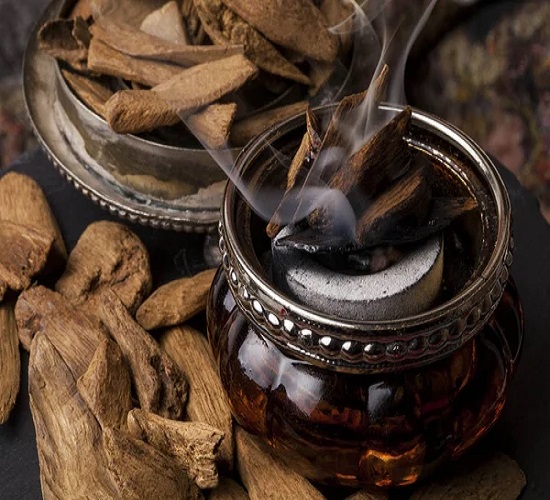
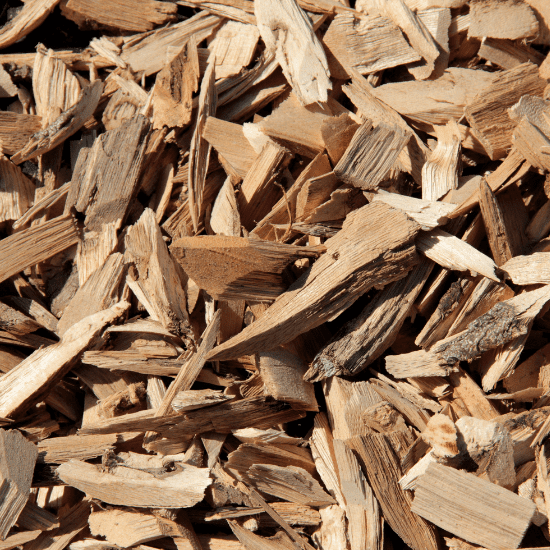
Agarwood has various uses in different industries. It is commonly used in incense, perfumes, traditional medicines, and other products globally. In traditional East Asian medicine, agarwood is prescribed for its therapeutic properties such as promoting the flow of qi, relieving pain, and treating asthma. It is also used in Chinese medicine and pharmaceutical tinctures. Agarwood oil is utilized for its medicinal benefits, including treating rheumatism, jaundice, smallpox, abdominal pain, and nervous system disorders. It is considered a stimulant, tonic, and aphrodisiac and is used for various ailments, including liver and kidney problems, lung and stomach tumors, and digestive issues.
Agarwood cultivation offers not only financial rewards but also contributes to the preservation of this valuable resource. With the increasing demand for agarwood and its wide range of applications in different industries, investing in agarwood farming can be a profitable venture while supporting sustainable practices.
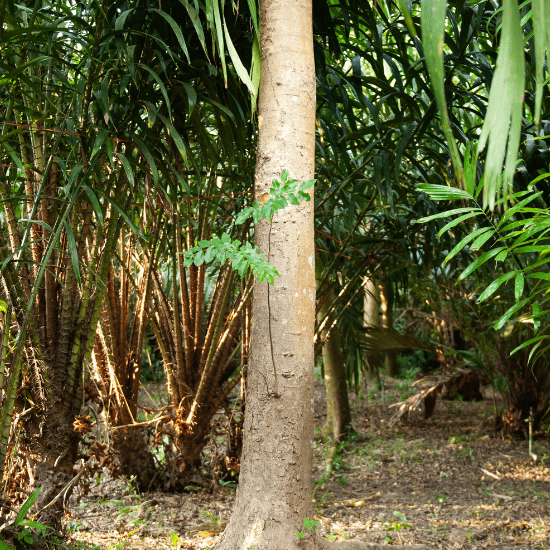
Agarwood Plantation: We provide comprehensive agarwood plantation services, including site selection, tree sourcing, and planting techniques tailored to the specific requirements of agarwood cultivation. Our team ensures that the trees are planted in optimal conditions to promote healthy growth and resin formation.
Tree Management and Maintenance: Our agarwood farming services encompass tree management and maintenance throughout the growth cycle. We provide regular pruning, pest control, and disease prevention measures to ensure the well-being of the agarwood trees. This includes monitoring the trees for any signs of infection or stress and implementing appropriate interventions.
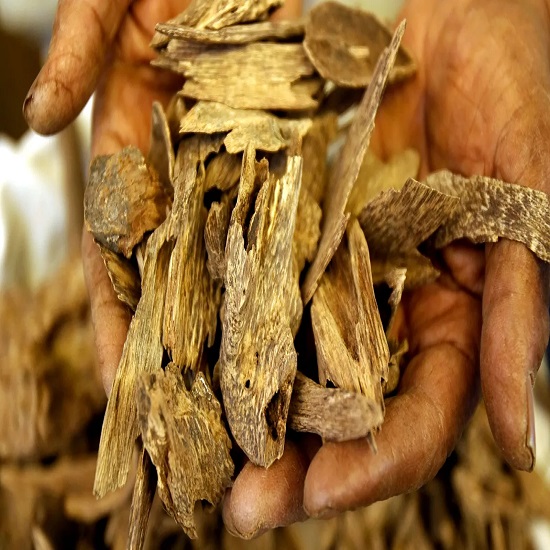
Agarwood Inoculation: The process of agarwood formation often requires the introduction of specific fungi to the trees. We offer professional agarwood inoculation services, employing proven techniques to initiate the resin production process. Our experts ensure precise timing and proper inoculation methods to maximize resin yield and quality.
Harvesting and Processing: We provide expertise in harvesting agarwood trees at the optimal stage of resin maturity. Our skilled team utilizes careful techniques to extract the resin-rich wood while minimizing damage to the trees. We also offer processing services to extract agarwood oil and other value-added products from the harvested wood.
Consultation and Training: We offer consultation services and training programs for aspiring agarwood farmers or those looking to enhance their existing agarwood farming operations. Our experienced team provides guidance on plantation techniques, tree management, resin extraction, and post-harvest processing, enabling farmers to optimize their agarwood farming practices.
Agarwood is used for incense,perfume,traditional medicine,and other products in the world market. In tradition chinese medicine, agarwood is used as a qi-regulating drug and carminative medicine to relieve gastric problems,coughs, rheumatism,and high fever.
1. East Asian Medicine:Agarwood is prescribed in traditional East Asian medicine to promote the flow of gi, relieve pain, arrest vomiting by warming the stomach, and to relieve asthma (Anon., 1995a).
2. Chinese Medicine:High-grade agarwood powder is prescribed in Chinese medicine (Yaacob, 1999). High grade agarwood powder is also used in the production of pharmaceutical tinctures (Heuveling van Beek and Phillips, 1999).
3. Use as Liniment: Malaysians use agarwood mixed with coconut oil as a liniment. Likewise Indians and chinese also use agarwood oil in their traditional medicine as a liniment for the treatment of various skin diseases. (Burkill (1966))
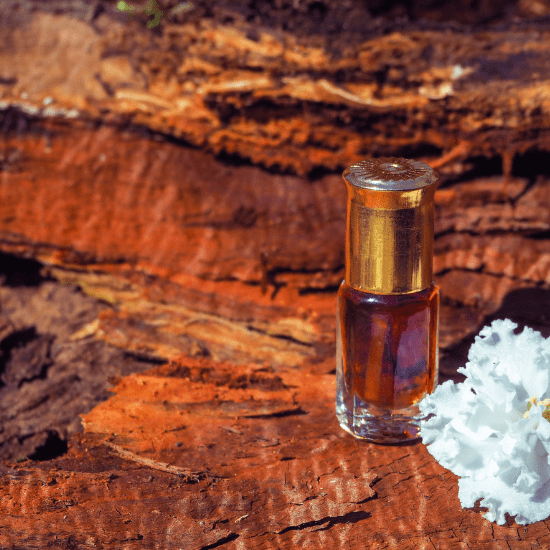
4. Rheumatism: Agarwood oil is used in a boiled concoction to treat rheumatism and other body pain.(Burkill)
5. Jaundice: Often-discarded uninfected wood is used as Kayu gaharu lemppong by Malaysians to treat jaundice and body pains. (Chakrabarty et al. (1994))
6. Smallpox and Abdominal Pain: Agarwood has been noted for its use as a complex ointment for smallpox and for various abdominal complaints. (1930, cited in Chakrabarty et al., 1994)
7. Pleurisy: Its use for the treatment of pleurisy is referenced in the Ayurvedic medicinal text the Susruta Samhita.
8. Nervous System Disorders: When used in aromatherapy, agarwood oil may help to treat anxiety, stress, depression and other nervous system disorders.
9. Liver and Kidney: Agarwood oil is used to treat cirrhosis of the liver and kidney problems.
10.Lung and Stomach Tumours: Agarwood oil is used in the treatment of lung and stomach tumours.
11. Carminative Diuretic: Agarwood oil is also used a carminative diuretic, Soaps and Sent Bottles.
12. The Indian Council: The Indian Council summarizes the properties of agarwood as follows: “Agarwood is considered stimulant, anti- asthmatic, carminative, tonic, aphrodisiac and astringent. It is used in diarrhoea, dysentery, gout, rheumatism and paralysis.
13. The Cropwatch Organisation: The Cropwatch Organisation similarly lists acknowledged merits of agarwood in Asian medical praxis as “warming,” “to relieve stuck energy particularly in the digestive and respiratory systems,” “to alleviate pain,” and “balancing effects” on “nervous and emotional disorders.”
14. Middle East and Bangladesh: In Egypt, Arabia and throughout the northeast part of Bangladesh, agarwood is described as a stimulant, cardiac tonic and carminative (Bhuiyan et al., 2009).
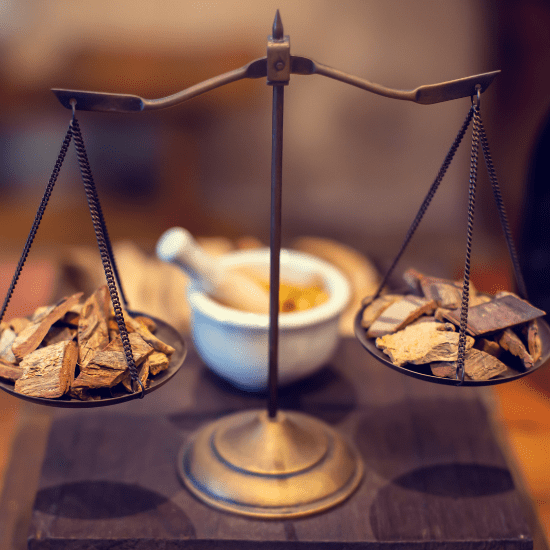
15. China and Japan: It is used as a traditional sedative, analgesic and digestive medicine in traditional Chinese and Japanese medicine (Abdullah et al., 2007; Liu et al., 2008).
16. Assam: The water portion obtained as distillate after separating the oud oil during distillation process is used at present in Assam as an efficient stimulant and tonic fo the treatment of mental disorder and malnutrition
17. Miscellaneous: The oud oil is used to treat illness during and after childbirth; to relieve spasms especially in the digestive and respiratory systems, abdominal pain, asthma, cancer (used as a general tonic), colic, chest congestion, diarrhea, hiccups, nausea, nerves and treatment of regurgitation (Burkill, 1966; Chakrabarty et al., 1994; Kim et al., 1997; Barden et al., 2000; Bhuiyan et al., 2009). Agarwood is also prescribed for dropsy, as a carminative, a stimulant, for heart palpitations, and as a tonic taken particularly during pregnancy, after childbirth and for diseases of female genital organs (Chakrabarty et al., 1994).